Home
HomeWhy Does Aging Affect Sleep?
Why Does Ageing Affect Sleep?
Sleep rarely stays the same throughout life. Many people notice that as they get older, falling asleep takes longer, night-time awakenings become more frequent, or sleep feels lighter and less refreshing than it once did.
These changes aren’t random. Aging affects the body systems that regulate sleep — from hormones and circadian rhythm to pain sensitivity and sleep depth. Understanding why this happens makes it much easier to improve sleep quality at any age.
This guide explains how aging affects sleep, what changes are normal, and what you can realistically do to sleep better as you get older.
How Sleep Changes as We Age
1. Your Circadian Rhythm Shifts
Your circadian rhythm is your internal 24-hour clock. As you age, this clock tends to shift earlier.
Common effects include:
-
Feeling sleepy earlier in the evening
-
Waking earlier in the morning
-
Finding it harder to sleep in
This is partly due to changes in melatonin production and how the brain responds to light.
2. Deep Sleep Becomes Shorter
Deep sleep (also called slow-wave sleep) is when the body carries out most of its physical recovery.
With age:
-
Time spent in deep sleep decreases
-
Sleep becomes lighter overall
-
Noise and movement cause easier awakenings
This is why older adults often feel they’ve slept lightly even after enough hours in bed.
3. Night-Time Awakenings Increase
Older sleepers naturally move between sleep stages more often, which leads to:
-
More frequent awakenings
-
Shorter uninterrupted sleep periods
-
A sense of “broken” sleep
While frustrating, this is one of the most common age-related sleep changes.
4. Health Conditions Affect Sleep More
As we age, sleep is more easily disrupted by physical factors such as:
-
Joint pain or stiffness
-
Acid reflux
-
Breathing issues
-
Needing to urinate at night
Even mild discomfort can now interrupt sleep repeatedly.
5. Hormone Changes Play a Role
Sleep depends on a balance of hormones like melatonin and cortisol.
As we get older:
-
Melatonin levels often decline
-
Stress hormone rhythms become less stable
This can make falling asleep and staying asleep more difficult.
Common Sleep Complaints With Age
Many older adults report:
-
Taking longer to fall asleep
-
Waking several times during the night
-
Waking too early and struggling to return to sleep
-
Feeling less refreshed in the morning
These experiences are common — but they don’t always mean sleep quality can’t improve.
How Much Sleep Do Older Adults Need?
Most adults over 65 still need around 7–8 hours of sleep per night.
What matters most isn’t just total hours, but how consolidated and restorative that sleep is.
Practical Ways to Improve Sleep as You Age
1. Keep a Consistent Sleep Schedule
Going to bed and waking up at the same time daily helps stabilise your circadian rhythm — even on weekends.
2. Use Light to Your Advantage
Morning daylight helps reset your internal clock.
Aim for 15–30 minutes of natural light early in the day if possible.
3. Build a Calm Evening Routine
Create clear signals that tell your body it’s time to wind down:
-
Dim lights in the evening
-
Avoid screens for 45–60 minutes before bed
-
Try light stretching or breathing exercises
4. Be Mindful of Caffeine and Alcohol
Sensitivity to caffeine and alcohol often increases with age:
-
Avoid caffeine after early afternoon
-
Limit alcohol close to bedtime, as it disrupts sleep quality
5. Optimise Your Sleep Environment
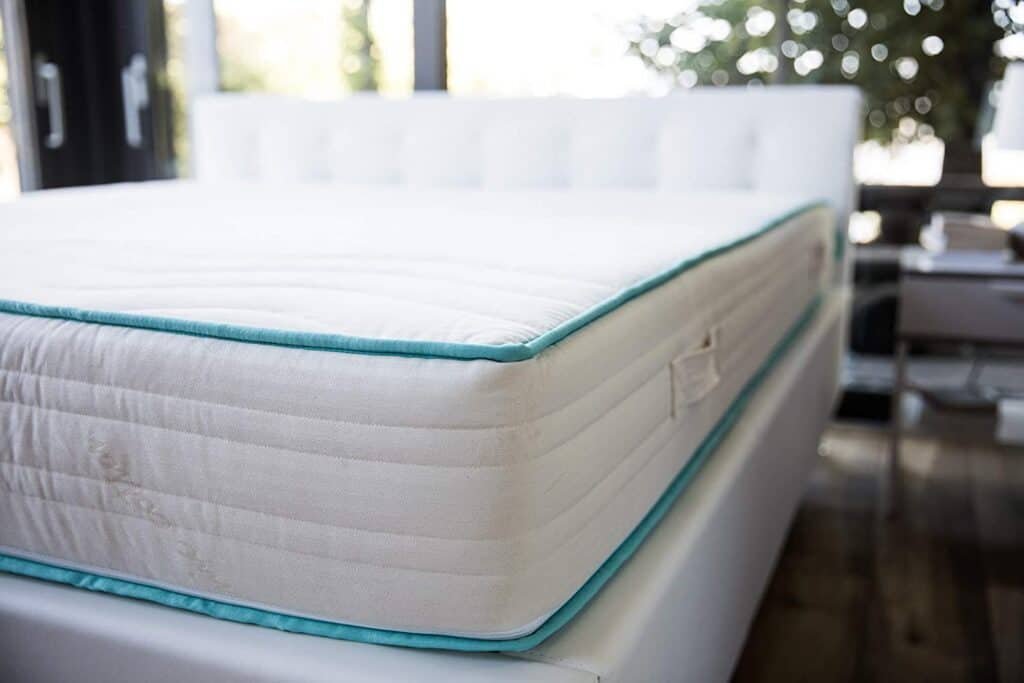
A supportive mattress, breathable bedding, and a quiet, cool bedroom make a noticeable difference — especially for lighter sleepers.
6. Address Underlying Health Issues
Pain, breathing problems, or frequent night-time urination should be discussed with a GP. Treating these often improves sleep dramatically.
When to Speak to a Doctor
Seek medical advice if you experience:
-
Loud snoring or breathing pauses during sleep
-
Excessive daytime sleepiness
-
Restless legs or frequent twitching
-
Sudden major changes in sleep patterns
These can indicate treatable sleep disorders rather than normal aging.
Final Thoughts
Aging changes sleep — but it doesn’t have to ruin it.
By understanding how sleep naturally evolves over time and adjusting habits, environment, and expectations, many people sleep better, not worse, as they get older.
Good sleep at any age is still achievable — it just requires a smarter approach.